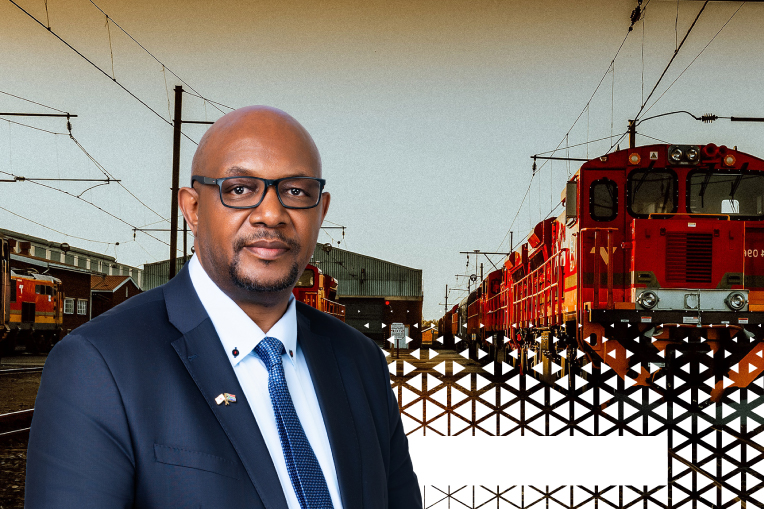
An update from the TRIM Chief Executive
Advancing Rail Reform in South Africa
Transnet Rail Infrastructure Manager (TRIM) continues to make steady progress in its corporatisation journey, marking an important milestone in building a more efficient, transparent and competitive rail network for South Africa.
Over the past few months, significant strides have been made in establishing TRIM as a standalone entity. This has included strengthening governance structures, refining operating models and enhancing systems that support open access and improved service delivery. The transition is not only about organisational change, but also about positioning TRIM to better serve customers, stimulate economic growth and contribute to a sustainable future for rail.
As part of this process, TRIM will become a wholly owned subsidiary of Transnet. This follows the vertical separation of TRIM and Transnet Freight Rail (TFR) in October 2024, which established the two as distinct operating divisions.
Supporting National Rail Reform
The corporatisation initiative forms part of the South African government’s broader rail reform programme and aligns with the National Rail Policy White Paper 2022, the Economic Regulation of Transport Act, 2024, and the Freight Logistics Roadmap for South Africa, 2023.
These reforms are aimed at improving operational efficiency, infrastructure performance, safety and competitiveness across the rail sector.
Through corporatisation, TRIM is being positioned as a financially sustainable entity capable of generating revenue, managing operations independently and implementing regulated access fees that will improve the competitiveness of rail services.
The new model also creates a clear separation of responsibilities. TRIM will oversee the ownership, management and maintenance of the national rail network, while TFR and other train operating companies will utilise the infrastructure to provide freight transportation services.
Mohato wa ho fetohela khamphaning ya kgwebo ke karolo ya lenaneo la Afrika Borwa la tlhophobotjha e pharaletseng ya tsamaiso ya diterene mme le dumellana le Pampiri e Tshweu ya 2022 ya Leano la Naha la Tsamaiso ya Diterene, Molao wa Taolo ya Moruo wa Dipalawang wa 2024, le Mmapa wa Tsela wa Tsamaiso ya Thepa bakeng sa Afrika Borwa, wa 2023.
Tlhophobotjha ena e reretswe ho ntlafatsa mokgwa wa ho sebetsa ka tsela e atlehileng, tshebetso ya meralo ya motheo, polokeho le ho qothisana lehlokwa sekthareng ya tsamaiso
ya diterene.
Ka ho fetohela khamphaning ya kgwebo, TRIM e behwa boemong ba ho ba mokgatlo o tsitsitseng ditjheleteng o kgonang ho hlahisa lekeno, o tsamaisang mesebetsi ka tsela e ikemetseng le ho kenya tshebetsong ditefello tse laolwang tsa tshebediso ya diporo, tse tla ntlafatsa ho qhothisana lehlokwa ditshebeletsong tsa tsamaiso ya diterene.
Tlhophiso ena e ntjha e boetse e arola boikarabelo ka ho hlaka. TRIM e tla okamela taba ya ho ba beng ba kgwebo, tsamaiso le tlhokomelo ya neteweke ya tsamaiso ya diterene ya naha, athe TFR le dikhamphani tse ding tsa tshebediso ya diterene di tla sebedisa meralo ya motheo ho fana ka ditshebeletso tsa ho tsamaisa thepa.
Enabling Open Access and Investment
Corporatisation is expected to unlock greater open access to the rail network, encourage private sector investment and partnerships, and support infrastructure rehabilitation and renewal based on commercial viability and long-term sustainability.
Transnet has reiterated that the corporatisation of TRIM does not constitute privatisation. TRIM will remain a state-owned entity, with the process aimed at creating a more accessible, efficient and competitive rail system.
The initiative also introduces transparent competition and regulated access fees while creating opportunities for collaboration with the private sector on infrastructure upgrades and renewal projects where funding constraints currently exist.
Ukuzibophezela Kubasebenzi
Abakwa-Transnet baphinde baqinisekisa ukuthi abasebenzi bahlala bebalulekile ekusebenzeni ngempumelelo kwale nkampani nasekulandeleni uhlelo Lokusungulwa Kabusha Kokukhula. Okubalulekile, izinguquko kule nkampani ngeke ziholele ekulahlekelweni kwemisebenzi,nasezinguqukweni kwezikhundla ezikhona njengamanje noma ekuncishisweni kwezinhlelo zemihlomulo zabasebenzi.
Izimo abasebenzi abaqashwe ngaphansi kwazo ngeke ziguquke, nokuyilapho imihlomulo yabo ekhona ngaphansi kwe-Transnet Medical Aid kanye ne-Transnet Retirement Fund izohlala injalo. Iminyaka abasebenzi asebeyisebenzile izohlala injalo, namathuba okwenyuselwa ezikhundleni eziphezulu kanye nokumelwa okukhona ngaphansi kwezivumelwane ezenziwa ngokuhlanganyela e-Transnet ngeke kushintshe.
Le nhlangano iqinisekise abasebenzi ukuthi amalungelo abo, nokuphepha kwemisebenzi yabo, nemihlomulo kanye nokuqashwa kwabo kule nkampani kuzohlala kuvikelekile ngokugcwele ngaso sonke isikhathi sokwenziwa kwezinguquko.
Commitment to Employees
Transnet has reaffirmed that employees remain central to operational success and the Reinvent for Growth Strategy. Importantly, the corporatisation process will not result in job losses, changes to current role structures or a reduction in employee benefits.
Employment conditions will remain unchanged, while benefits under the Transnet Medical Aid and the Transnet Retirement Fund will continue as normal. Employees will also retain their years of service, career progression opportunities and representation under existing Transnet recognition and collective agreements.
The organisation has assured employees that their rights, job security, benefits and place within the organisation will remain fully protected throughout the transition.
A Sustainable Future for Rail
The corporatisation process will be implemented in phases to ensure legal, operational and financial readiness. These phases include pre-incorporation, incorporation and post-incorporation.
To ensure long-term value and accountability, robust regulatory frameworks, transparent reporting mechanisms and independent oversight structures will remain in place. This approach is designed to promote fair pricing, prevent monopolistic practices and align commercial objectives with broader public service responsibilities.
Employee commitment, resilience and professionalism continue to play a vital role in the success of the transformation journey and in building a stronger, more responsive organisation.
The corporatisation journey represents a significant step towards laying the foundation for a modernised, sustainable and growth-oriented rail sector that will better serve South Africa for generations to come.
Ukuzibophelela kwabasebenzi, ukomelela nobungcali kuyaqhubeka ngokudlala indima ebalulekileyo kwimpumelelo yohambo lwenguqu nokwakha umbutho owomele nangakumbi, nosabela nangakumbi.
Uhambo lokusiguqulela ekubeni sibe liqumrhu loshishini luza nenyathelo elibalulekileyo elisingise ekubekeni isiseko sokuba sibe licandelo loololiwe eliphuculiweyo, elizinzileyo nelijolise kuhlumo neliya kusebenzela uMzantsi Afrika ngcono nakwizizukulwana ezizayo.
— Moshe Motlohi
Transnet Rail Infrastructure Manager (TRIM)
Chief Executive
Leave a Reply