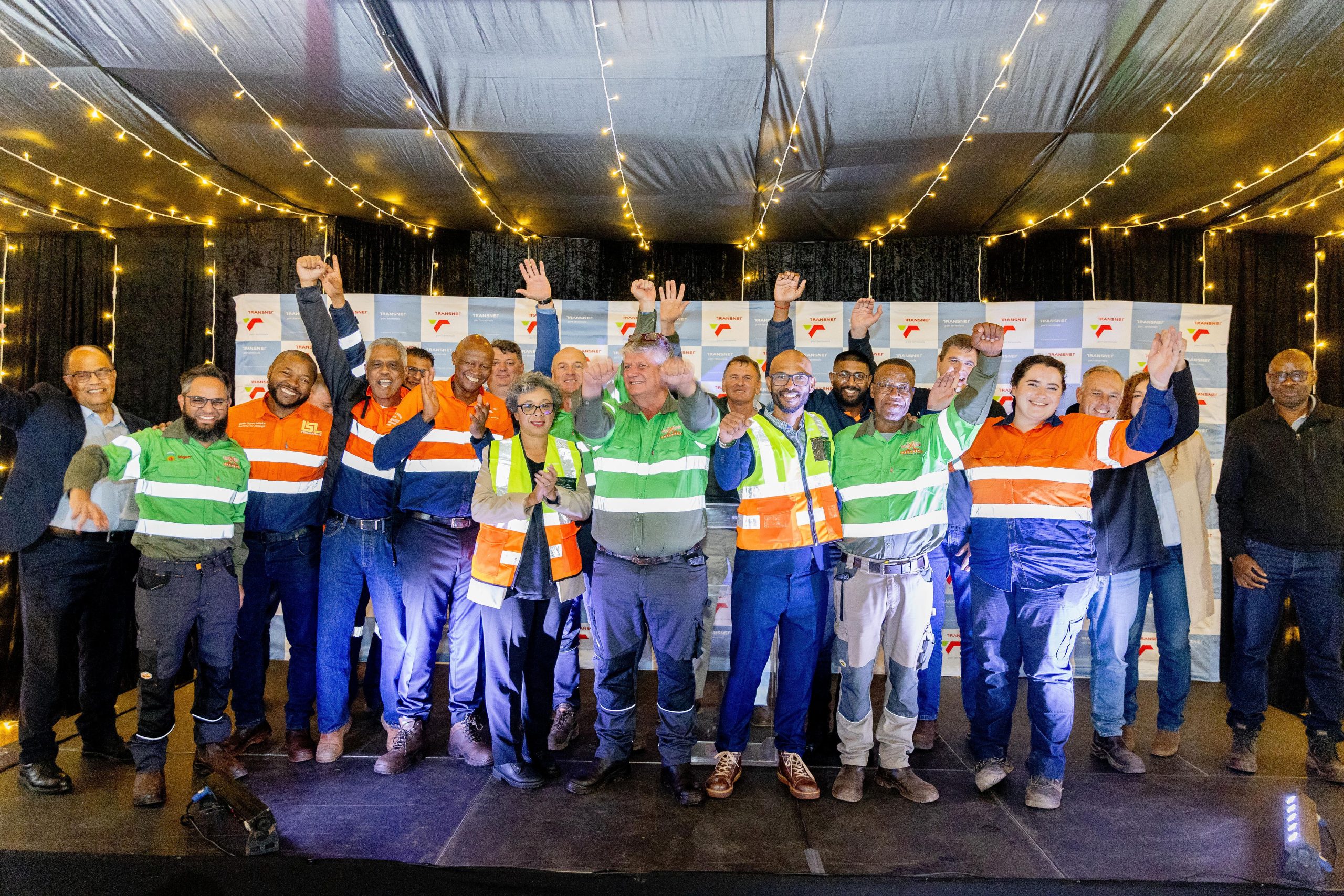
As the Saldanha Iron Ore Terminal celebrates 50 years of operation, Transnet Port Terminals is preparing for the future with a major infrastructure investment that will help keep one of South Africa’s most important export facilities running efficiently for years to come.
For five decades, the Saldanha Iron Ore Terminal has played a key role in supporting South Africa’s iron ore exports and contributing to economic growth. Now, as the terminal marks its 50th anniversary, the completion of the new Tippler 3 project is strengthening its ability to meet future demand.
According to Dean Moodley, General Manager: Capital Projects at Transnet Port Terminals, the project forms part of Transnet’s Reinvent for Growth strategy and represents an important step in modernising infrastructure across the network.
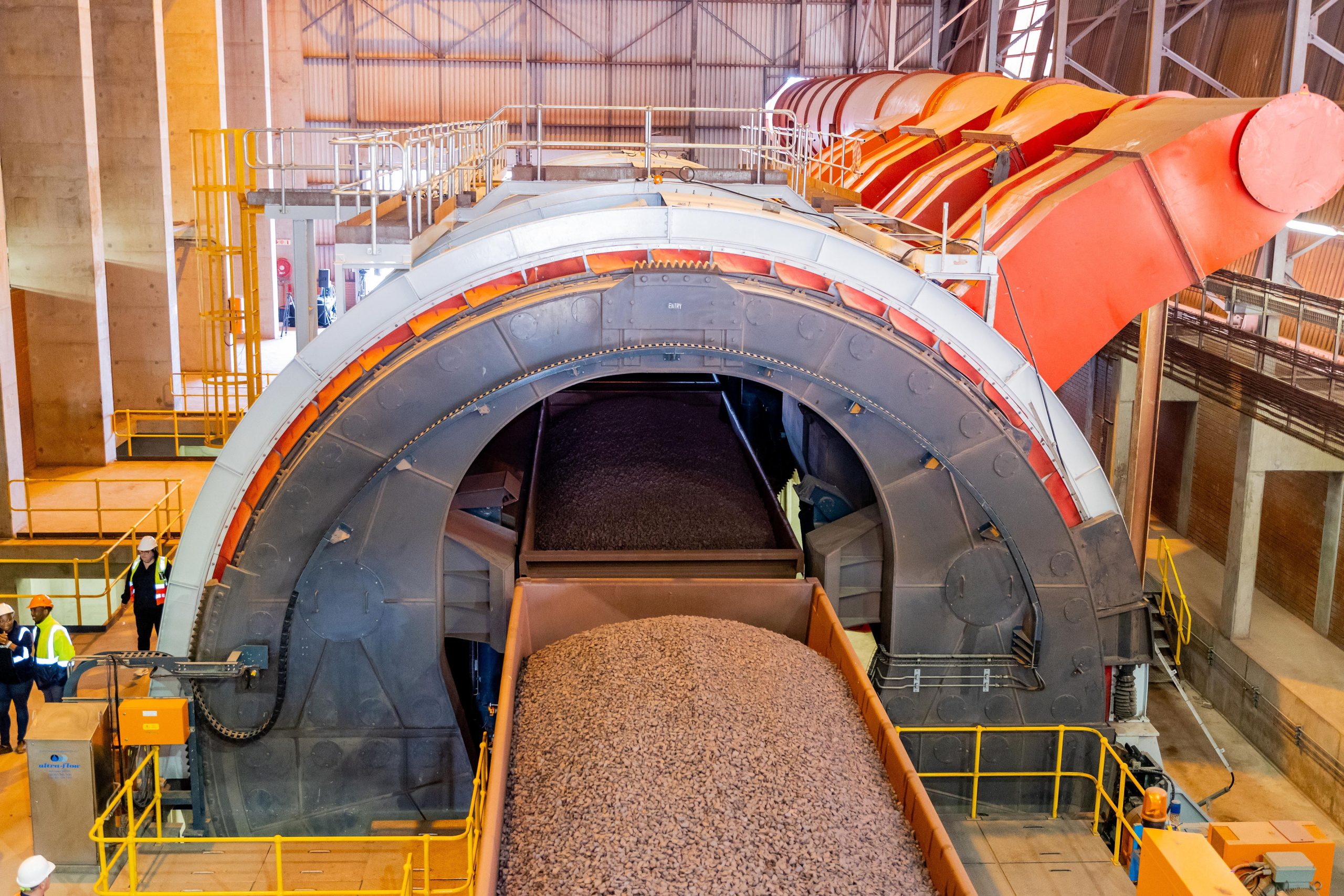
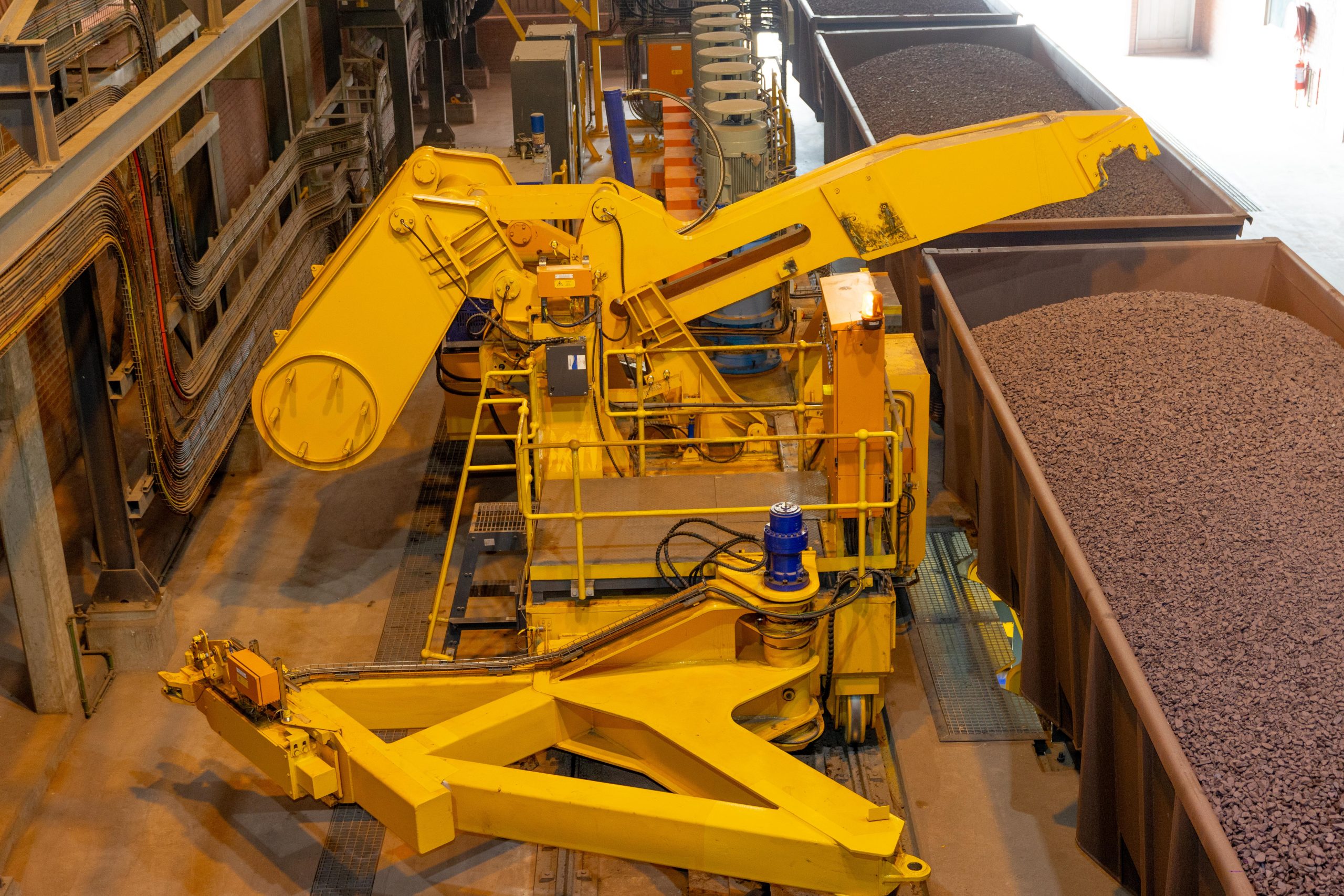
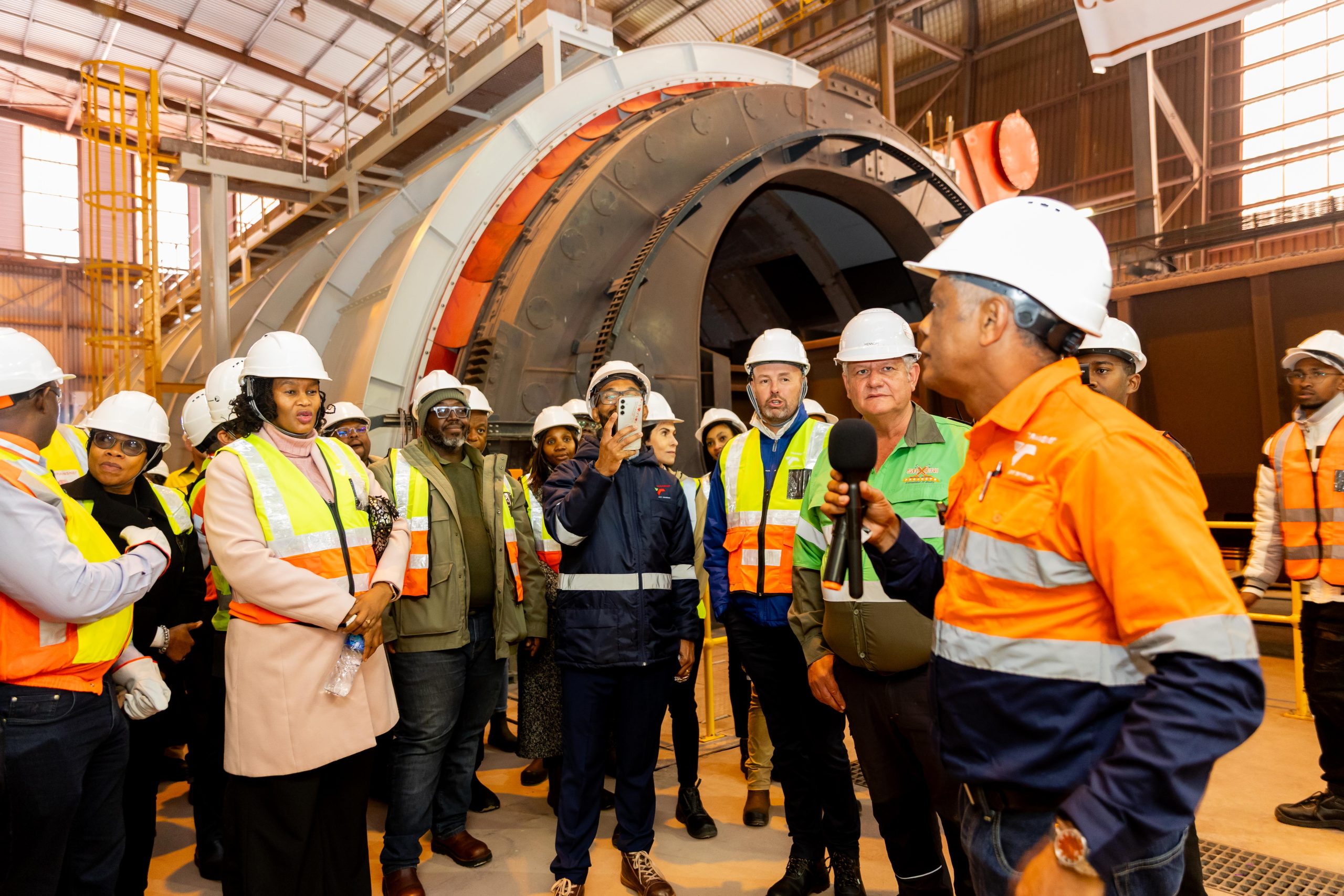
A tippler is a large piece of equipment used to unload iron ore from rail wagons. It works by rotating the wagon and emptying the ore onto conveyor belts, which then transport the cargo to stockpiles and vessels for export.
Moodley explains that, once fully operational, Tippler 3 will help the terminal unload more iron ore, improve cargo-flow efficiency and reduce downtime when maintenance is required. The new facility will also provide additional capacity and help reduce the risks associated with ageing infrastructure.
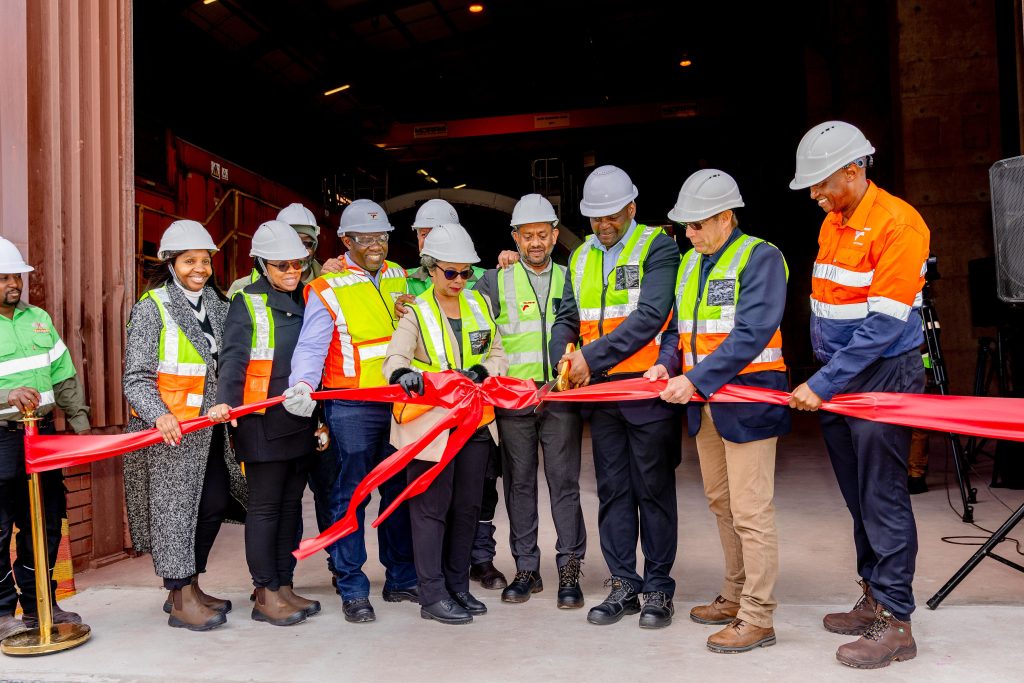
“The Saldanha Iron Ore Terminal is South Africa’s primary iron ore export facility, making reliable infrastructure essential to ensuring commodities reach international markets efficiently and that customers can continue to depend on Transnet’s services,” says Moodley.
The timing of the project makes the achievement even more significant. Completing Tippler 3 during the terminal’s 50th anniversary year reflects Transnet Port Terminals’ commitment to maintaining and improving one of the country’s most strategic export facilities.
Moodley notes that the project also demonstrates the value of collaboration across the Transnet group.
Building and installing the new tippler while the terminal remained fully operational required careful planning and coordination. Teams from Capital Projects, Engineering, Environmental Management, Operations and Maintenance worked together with specialists from Transnet Freight Rail and Transnet Rail Infrastructure Manager to deliver the project.
Additional support came from employees at other TPT terminals, who assisted with specialised technical and operational requirements when needed.
Beyond the operational benefits, the project also created opportunities for local businesses and communities. Local contractors, suppliers and service providers were involved in various aspects of the development, including construction, fabrication, logistics and specialist support services.
According to Moodley, the project is estimated to have created around 1 500 direct and indirect jobs and achieved approximately 45% local content contribution, ensuring that the benefits of the investment extended beyond the terminal itself.
The project has now entered its final testing phase before being handed over for day-to-day operations. This includes testing the equipment, training operators, and ensuring that all systems operate safely and reliably before the facility enters service.
Once completed, Tippler 3 will become part of the terminal’s daily operations, helping the Saldanha Iron Ore Terminal continue its important role in supporting South Africa’s export economy and maintaining its position as one of the country’s most important export gateways.
Leave a Reply