Blog

  • FROM BOLOBEDU TO BREAKTHROUGH

    FROM BOLOBEDU TO BREAKTHROUGH


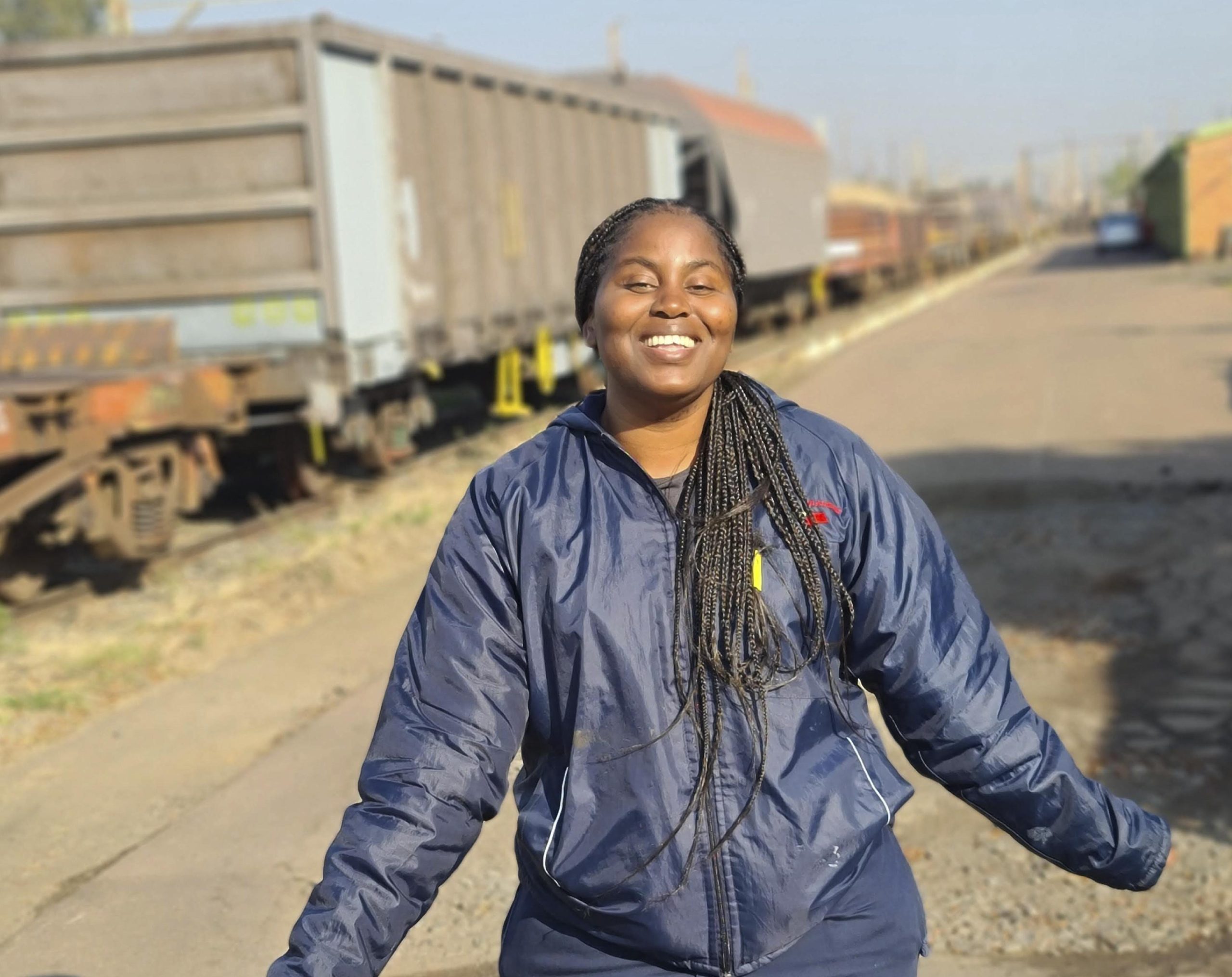
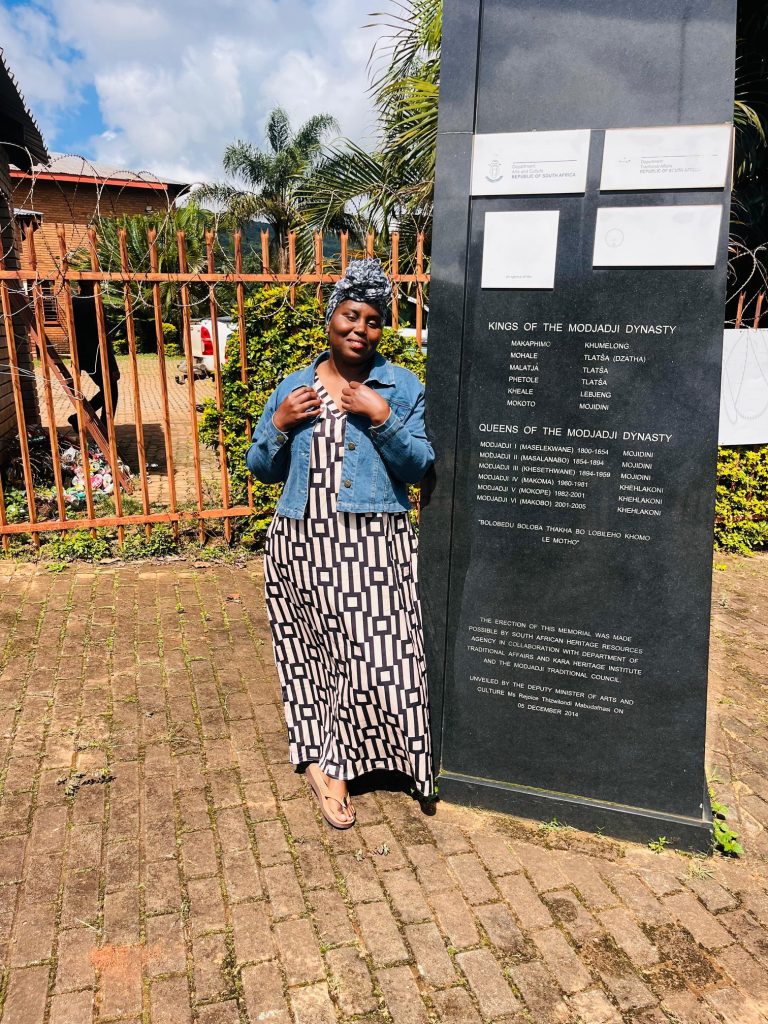
    Dimakatso Ramawela’s Journey from Wagon Maintenance to Author


    Tlhalošo ye kopana: Go tloga go tlhokomelo ya kariki go ya bongwading, Dimakatso Ramawela o diriša kanegelo go boloka bohwa bja setšhaba sa Bolobedu mola ka nako ye e swanago a hlohleletša baswa go ba le kgotlelelo, thuto le boikgantšho bja setšo.

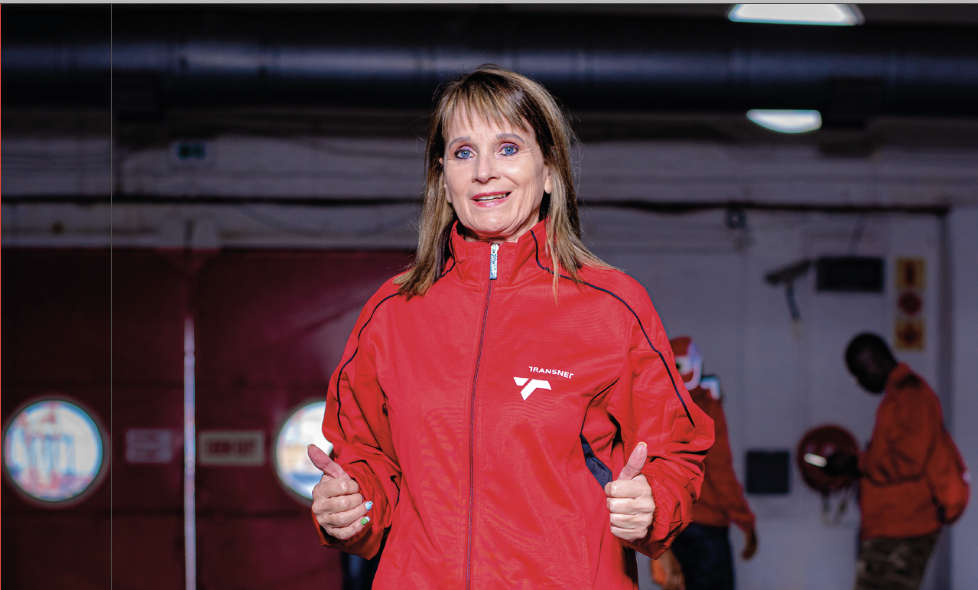
    My experiences form the foundation of my story. Growing up in rural Bolobedu taught me resilience, faith, hard work and the importance of community.

    My journey at Transnet, from operator and forklift driver to Maintenance Assistant, has also taught me discipline, teamwork and growth. Working in traditionally male-dominated environments pushed me to trust my abilities and grow in confidence.

    Through the book, I want readers to see that ordinary people carry extraordinary stories, and that humble beginnings should never limit a person’s dreams or purpose.

     I wanted to preserve stories that are often overlooked, especially those from rural communities and African cultures. Many people know the Bolobedu Nation through the legacy of the Rain Queen, but there is much more to our history, traditions and values.

    The book reflects both hardship and hope, while honouring the sacrifices and wisdom of my grandmother and many African women whose stories were never written down.

    Kanegelo ga se ya ka fela. E bile e laetša boitšhupo le bohwa bja setšhaba sa Bolobedu. Ke dumela gore dikanegelo tša setšo di swanetše go swarwa ka tlhompho le potego.

    Go boledišana le Ntlo ya Bogoši ya Bolobedu e be e le pontšho ya tlhompho go boetapele le ditšo tša setšhaba, mola gape go netefatša gore sengwalwa se hlompha bohwa bja rena ka nepagalo le ka nnete.

    Language and culture carry identity, wisdom and history. When a language disappears, part of a people’s heritage disappears with it.

    Storytelling has always been central to African communities, passing down values, lessons and traditions from one generation to another.

    Kanegelo ga se ya ka fela. E bile e laetša boitšhupo le bohwa bja setšhaba sa Bolobedu. Ke dumela gore dikanegelo tša setšo di swanetše go swarwa ka tlhompho le potego.

    Go boledišana le Ntlo ya Bogoši ya Bolobedu e be e le pontšho ya tlhompho go boetapele le ditšo tša setšhaba, mola gape go netefatša gore sengwalwa se hlompha bohwa bja rena ka nepagalo le ka nnete.

    I want readers to know that their background does not define their future. It is possible to overcome challenges, continue learning and create opportunities despite difficult circumstances.

    For young women, I hope the story encourages them to believe in themselves and pursue spaces that may seem intimidating.

    Above all, I want readers to leave with hope and the belief that faith and resilience can carry them through life’s toughest seasons.

  • FUELLING PROGRESS THROUGH RESEARCH 

    FUELLING PROGRESS THROUGH RESEARCH 


    Mondli Mbele on Research, Regulation and Transnet’s Future


    A Transnet economist and policy specialist reflects on his journey and a commitment to shaping South Africa’s transport future. 

    Uhambo lukaMondli Mbele lusekelwe phezu wentshisekelo, nokubekezela kanye nokukholelwa okujulile emandleni emfundo. Namuhla, ungusomnotho wezamasu kanye nongoti wezocwaningo kwa-Transnet SOC Ltd.

    Ngo-2025, wenza isethulo eNgqungqutheleni Yeviki Okuyingqungquthela Yeshumi Yaminyaka Yonke Yokuncintisana Nokulawulwa Komnotho (i-ACER) ebibanjelwe eNamibia egcizelela ukuthi ucwaningo olusekela ngqo ohlelweni labakwa-Transnet Lokusungulwa Kabusha Kokukhula. Kule ngxoxo, usilandisa ngendlela akhuliswe ngayo kanye nohambo lwakhe lwezemfundo nolwezobuchwepheshe.

    Ngakhulela e-Clermont, okuyidolobha elingaphandle kweTheku. Ubaba wami ongasekho wadlala indima ebalulekile ekwakheni umbono wami ngemfundo kanye nokukhetha umsebenzi engizowufundela. Wayengikhuthaza njalo ukuthi ngizimisele kulokho engithanda ukuba yikho uma sengikhulile, waphinde wangiqinisekisa nokuthi uzongisekela ezifundweni zami.

    Kusukela ngisemncane, ngangithanda ukwazi ngezinto. Ngangithanda ukubuza imibuzo nokuthola imibono ukuze ngiqonde ukuthi izinhlelo zisebenza kanjani nokuthi zingathuthukiswa kanjani. Le ntshisekelo yami yenza ukuthi ngilandele umkhakha wezocwaningo, nezomnotho kanye nokulawulwa kwengqalasizinda.

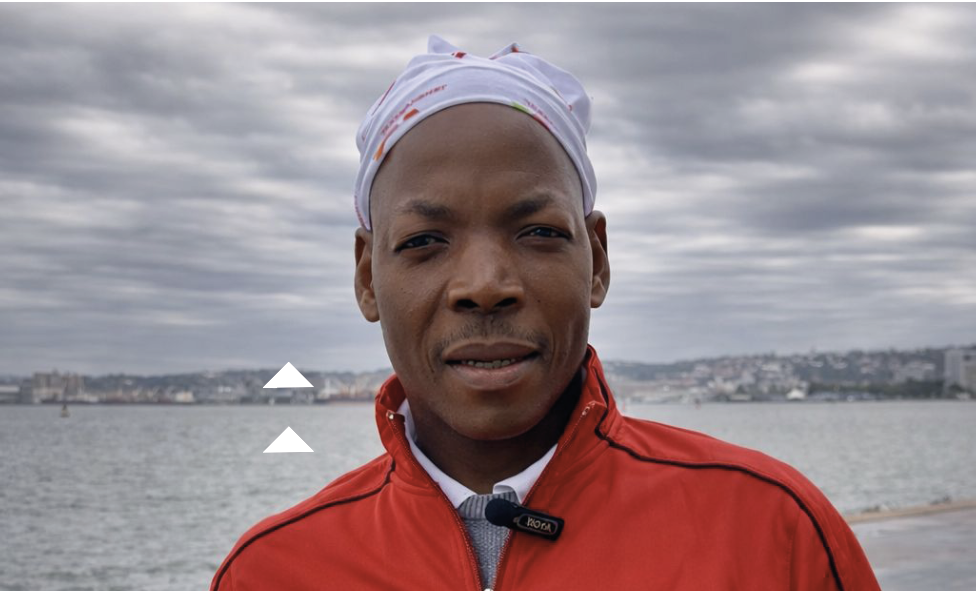
    I am a strategic economist, researcher and infrastructure policy specialist with over 10 years’ experience in South Africa’s transport and logistics sectors. My work spans ports, rail and pipeline infrastructure within Transnet SOC Ltd.

    My focus areas include economic analysis, pricing, regulatory policy, and increasingly, innovation, automation and digitalisation within infrastructure systems. 

    I presented my research paper, “The Impact of Regulation in Network Sectors on Economic Growth in OECD Countries,” at the 10th Annual Competition and Economic Regulation (ACER) Week Conference in Windhoek, Namibia.

    It was a valuable opportunity to engage with regional experts on how regulation influences sectors such as transport, energy and telecommunications. The experience reinforced the importance of evidence-based policy in shaping efficient and competitive infrastructure systems. 

    Nakuba ucwaningo lwenziwe ngokuzimela, imiphumela yalo ihambisana ngqo nohlelo labakwa-Transnet Lokusungulwa Kabusha Kokukhula (i-R4G).

    Esimweni saseNingizimu Afrika, lapho umkhakha wezokuthutha ubhekene nezinguquko ezinkulu njengokuhlukaniswa kwezitimela nokungena kwezinkampani ezizimele, kubalulekile ukwenziwa kahle kwemithethonqubo. Ucwaningo lwami lukhombisa ukuthi izinhlaka zokulawula ezisebenza ngendlela eyimpumelelo zinganciphisa izindleko, zithuthukise ukusebenza ngempumelelo ziphinde zesekele ukukhula komnotho jikelele. 

    Ngisazibophezele ukuqhubeka ekusebenziseni ulwazi enginalo oluzoqinisa inqubomgomo yokulawula, luthuthukise nendlela yokusebenza enempumelelo luphinde futhi lube neqhaza elikhulu ezinhlelweni zezamasu zesikhathi eside zabakwa-Transnet.

    I have had the opportunity to work across different parts of the organisation. I started as an Economic Analyst at Transnet National Ports Authority before moving to Transnet Freight Rail and then Acting Senior Pricing Analyst.

    I am currently a Research and Development Specialist at Transnet Pipelines, where I focus on innovation, continuous improvement and digitalisation initiatives that improve operational efficiency and business performance. 

    What drives me is the opportunity to use research and evidence to improve how infrastructure systems function.

    Whether through pricing, regulation or innovation, I am interested in solutions that improve efficiency, strengthen competitiveness and support sustainable growth. 

  • FROM RECOVERY TO MOMENTUM: 

    FROM RECOVERY TO MOMENTUM: 


    Setting our sights on 2026/27

    Over the past three years, Transnet has focused on stabilising operations, rebuilding confidence and laying the foundation for long-term growth. Now, as we enter the 2026/27 financial year, the focus has shifted to stronger performance, operational delivery and sustainable growth.

    The latest performance targets, shared as part of the Reinvent for Growth (R4G) strategy, reflect a continued focus on improving rail, port and pipeline performance. The intent is to strengthen Transnet’s role in supporting South Africa’s economy through more reliable and efficient operations.

    Since the launch of the Recovery Plan and the R4G strategy, Transnet has made measurable progress across the following key areas:

    The Recovery Plan has also helped restore confidence among customers, government and private-sector partners, while creating a clearer sense of direction across the organisation.

    Importantly, behind every operational milestone lies something even more important: the people driving the work forward every day.

    Transnet’s latest performance targets highlight focus areas for the year ahead:

    These targets will guide Transnet’s operations throughout the financial year. Employees are encouraged to continuously monitor performance and identify challenges early, maintaining a strong focus on execution and accountability.

    As we continue to build towards long-term

    sustainability, Transnet remains focused on

    performance, safety and employee wellbeing.

    Safety remains a key priority across operations, alongside ongoing efforts to support employees’ health, wellness and resilience in demanding working environments.

    The message is clear: long-term success depends not only on operational improvement, but also on creating a workplace where people feel supported, empowered and united behind a shared purpose.

    With the next phase of the R4G journey now underway, collective effort across the organisation will remain critical in driving Transnet forward. 

    Behind every operational milestone are the people driving the work forward every day.

  • TRIM Corporatisation Journey

    TRIM Corporatisation Journey


    An update from the TRIM Chief Executive

    Transnet Rail Infrastructure Manager (TRIM) continues to make steady progress in its corporatisation journey, marking an important milestone in building a more efficient, transparent and competitive rail network for South Africa.

    Over the past few months, significant strides have been made in establishing TRIM as a standalone entity. This has included strengthening governance structures, refining operating models and enhancing systems that support open access and improved service delivery. The transition is not only about organisational change, but also about positioning TRIM to better serve customers, stimulate economic growth and contribute to a sustainable future for rail.

    As part of this process, TRIM will become a wholly owned subsidiary of Transnet. This follows the vertical separation of TRIM and Transnet Freight Rail (TFR) in October 2024, which established the two as distinct operating divisions.

    The corporatisation initiative forms part of the South African government’s broader rail reform programme and aligns with the National Rail Policy White Paper 2022, the Economic Regulation of Transport Act, 2024, and the Freight Logistics Roadmap for South Africa, 2023.

    These reforms are aimed at improving operational efficiency, infrastructure performance, safety and competitiveness across the rail sector.

    Through corporatisation, TRIM is being positioned as a financially sustainable entity capable of generating revenue, managing operations independently and implementing regulated access fees that will improve the competitiveness of rail services.

    The new model also creates a clear separation of responsibilities. TRIM will oversee the ownership, management and maintenance of the national rail network, while TFR and other train operating companies will utilise the infrastructure to provide freight transportation services.


    Mohato wa ho fetohela khamphaning ya kgwebo ke karolo ya lenaneo la Afrika Borwa la tlhophobotjha e pharaletseng ya tsamaiso ya diterene mme le dumellana le Pampiri e Tshweu ya 2022 ya Leano la Naha la Tsamaiso ya Diterene, Molao wa Taolo ya Moruo wa Dipalawang wa 2024, le Mmapa wa Tsela wa Tsamaiso ya Thepa bakeng sa Afrika Borwa, wa 2023.

    Tlhophobotjha ena e reretswe ho ntlafatsa mokgwa wa ho sebetsa ka tsela e atlehileng, tshebetso ya meralo ya motheo, polokeho le ho qothisana lehlokwa sekthareng ya tsamaiso 

    ya diterene.

    Ka ho fetohela khamphaning ya kgwebo, TRIM e behwa boemong ba ho ba mokgatlo o tsitsitseng ditjheleteng o kgonang ho hlahisa lekeno, o tsamaisang mesebetsi ka tsela e ikemetseng le ho kenya tshebetsong ditefello tse laolwang tsa tshebediso ya diporo, tse tla ntlafatsa ho qhothisana lehlokwa ditshebeletsong tsa tsamaiso ya diterene.

    Tlhophiso ena e ntjha e boetse e arola boikarabelo ka ho hlaka. TRIM e tla okamela taba ya ho ba beng ba kgwebo, tsamaiso le tlhokomelo ya neteweke ya tsamaiso ya diterene ya naha, athe TFR le dikhamphani tse ding tsa tshebediso ya diterene di tla sebedisa meralo ya motheo ho fana ka ditshebeletso tsa ho tsamaisa thepa. 


    Corporatisation is expected to unlock greater open access to the rail network, encourage private sector investment and partnerships, and support infrastructure rehabilitation and renewal based on commercial viability and long-term sustainability.

    Transnet has reiterated that the corporatisation of TRIM does not constitute privatisation. TRIM will remain a state-owned entity, with the process aimed at creating a more accessible, efficient and competitive rail system.

    The initiative also introduces transparent competition and regulated access fees while creating opportunities for collaboration with the private sector on infrastructure upgrades and renewal projects where funding constraints currently exist.


    Abakwa-Transnet baphinde baqinisekisa ukuthi abasebenzi bahlala bebalulekile ekusebenzeni ngempumelelo kwale nkampani nasekulandeleni uhlelo Lokusungulwa Kabusha Kokukhula. Okubalulekile, izinguquko kule nkampani ngeke ziholele ekulahlekelweni kwemisebenzi,nasezinguqukweni kwezikhundla ezikhona njengamanje noma ekuncishisweni kwezinhlelo zemihlomulo zabasebenzi.

    Izimo abasebenzi abaqashwe ngaphansi kwazo ngeke ziguquke, nokuyilapho imihlomulo yabo ekhona ngaphansi kwe-Transnet Medical Aid kanye ne-Transnet Retirement Fund izohlala injalo. Iminyaka abasebenzi asebeyisebenzile izohlala injalo, namathuba okwenyuselwa ezikhundleni eziphezulu kanye nokumelwa okukhona ngaphansi kwezivumelwane ezenziwa ngokuhlanganyela e-Transnet ngeke kushintshe.

    Le nhlangano iqinisekise abasebenzi ukuthi amalungelo abo, nokuphepha kwemisebenzi yabo, nemihlomulo kanye nokuqashwa kwabo kule nkampani kuzohlala kuvikelekile ngokugcwele ngaso sonke isikhathi sokwenziwa kwezinguquko. 


    Transnet has reaffirmed that employees remain central to operational success and the Reinvent for Growth Strategy. Importantly, the corporatisation process will not result in job losses, changes to current role structures or a reduction in employee benefits.

    Employment conditions will remain unchanged, while benefits under the Transnet Medical Aid and the Transnet Retirement Fund will continue as normal. Employees will also retain their years of service, career progression opportunities and representation under existing Transnet recognition and collective agreements.

    The organisation has assured employees that their rights, job security, benefits and place within the organisation will remain fully protected throughout the transition.

    The corporatisation process will be implemented in phases to ensure legal, operational and financial readiness. These phases include pre-incorporation, incorporation and post-incorporation.
    To ensure long-term value and accountability, robust regulatory frameworks, transparent reporting mechanisms and independent oversight structures will remain in place. This approach is designed to promote fair pricing, prevent monopolistic practices and align commercial objectives with broader public service responsibilities.

    Employee commitment, resilience and professionalism continue to play a vital role in the success of the transformation journey and in building a stronger, more responsive organisation.

    The corporatisation journey represents a significant step towards laying the foundation for a modernised, sustainable and growth-oriented rail sector that will better serve South Africa for generations to come. 


    Ukuzibophelela kwabasebenzi, ukomelela nobungcali kuyaqhubeka ngokudlala indima ebalulekileyo kwimpumelelo yohambo lwenguqu nokwakha umbutho owomele nangakumbi, nosabela nangakumbi.

    Uhambo lokusiguqulela ekubeni sibe liqumrhu loshishini luza nenyathelo elibalulekileyo elisingise ekubekeni isiseko sokuba sibe licandelo loololiwe eliphuculiweyo, elizinzileyo nelijolise kuhlumo neliya kusebenzela uMzantsi Afrika ngcono nakwizizukulwana ezizayo. 


    Moshe Motlohi 

    Transnet Rail Infrastructure Manager (TRIM) 

    Chief Executive

  • PROTECTING WHAT MATTERS:Understanding the New Security Screening and Security Vetting Policy

    PROTECTING WHAT MATTERS:Understanding the New Security Screening and Security Vetting Policy

    As Transnet strengthens the protection of its people, infrastructure and sensitive information, the new Security Screening and Security Vetting Policy will help support a safer and more resilient organisation.

    This is an updated version of the policy. One of the most significant changes is the inclusion of screening for company partners, particularly as Transnet expands its Private Sector Partnerships.

    Security vetting is a structured process used to assess a person’s security suitability. In simple terms, it helps ensure that sensitive or classified information does not fall into unauthorised hands and that the interests of both Transnet and the State are protected.

    Transnet has established a dedicated security vetting unit in collaboration with the State Security Agency (SSA), which manages the administration and investigation stages, while the SSA oversees polygraph examinations, evaluations and final decisions.

    The policy applies to Board members, employees, applicants and service providers. It will be implemented through a phased, risk-based approach over three years. Priority will be given to high-risk areas or roles with access to sensitive information, including Procurement, Security, Finance, Treasury, ICT and Executive Management. 

    Q: Why is protecting classified information, assets and National Key Points especially important within Transnet’s operating environment?

    Transnet plays a strategic role within South Africa’s economy and infrastructure network. Protecting classified information, critical assets and National Key Points is essential to safeguarding operations and reducing security risks. Effective security controls also help protect the organisation against criminal activity, operational disruption and reputational risk. . 

    The security vetting process is conducted in a lawful, secure and confidential manner, with safeguards aligned to the Protection of Personal Information Act (POPIA). Information collected during the process is used strictly for security vetting purposes, and access is limited to trained security vetting personnel and the SSA. 

    Q: The policy describes security vetting as an ongoing process rather than a once-off exercise. What does this mean in practice?

    Security clearances remain valid for specific periods depending on the level of clearance required. Confidential Security Clearances are valid for 10 years, while Secret and Top-Secret Clearances are valid for five years. Security clearances for service providers remain valid for the duration of the contract.

    Security clearances may also be upgraded or withdrawn if circumstances change.

    Q: What message would you like to share with employees as the organisation begins implementing this policy across the business?

    Security vetting is about maintaining a security-competent and integrous workforce. It is an important risk management tool to help protect Transnet’s sensitive information, critical infrastructure and National Key Points.

    Ultimately, the policy supports the creation of a safer, stronger and more resilient organisation for everyone.

  • EVERY PAIR COUNTS

    EVERY PAIR COUNTS


    Transnet Foundation’s nationwide Shoes-on-Feet Campaign distributed more than 4,000 pairs of school shoes to learners over three months.

    Driven by the generosity and volunteer spirit of Transnet employees, the Transnet Foundation’s 2026 Shoes-on-Feet Campaign has delivered more than 4,000 pairs of school shoes to learners across South Africa, bringing dignity and hope to communities where support is needed most.

    Launched in January in Gauteng, the nationwide CSI initiative travelled across several provinces, reaching schools in communities where Transnet operates. Employees helped identify beneficiary schools and supported distribution efforts, reflecting Transnet’s culture of care and community support.

    Among the schools reached were H.M. Dlikidla Primary School in Beaufort West, where 150 pairs of shoes were donated as part of a broader distribution across six schools in the region.

    Other beneficiary schools included Inyathi Primary School in Gompo Village in the Eastern Cape, which received 250 pairs, and Mashishimale Primary School in Phalaborwa, Limpopo.

    The initiative was warmly welcomed by learners, parents, and educators, who highlighted its positive impact on learners’ confidence, dignity and school attendance.

    Speaking at Inyathi Primary School, Transnet Group Chief Executive Adv Michelle Phillips said education remains central to transformation.

    “We believe in the power of education as an instrument that can transform lives for the better, and we do not want to see learners missing school because they do not have school shoes,” she said. “This initiative ensures learners can attend school every day with dignity.”

    Lindelwa Thomas, a parent and SGB member at J N Tulwana Junior Primary School in Kariega, expressed gratitude for the support.

    “It is a special day for our children and us. Many families in our community struggle to provide proper school uniforms. These brand-new school shoes have uplifted our children mentally and boosted their confidence,” she said.

    The campaign concluded in early May at Mveledzandivho Primary School in Chiawelo, Soweto, where 194 pairs of school shoes were donated, marking the end of the three-month campaign rollout.

    Since its launch, the campaign has grown through partnerships with stakeholders and the continued generosity of Transnet employees and donor partners.

    “The Shoes-on-Feet Campaign reflects the compassion and

    commitment of our employees, who continue to answer the call

    to donate school shoes to learners in need,” said Susie Mabie, Senior Manager for Livelihoods at Transnet Foundation. 

    Through Shoes-on-Feet, the Transnet Foundation continues to demonstrate how simple acts of care can restore dignity, unlock opportunity, and help learners step confidently toward a brighter future.

  • WOMEN IN LEADERSHIP PROGRAMME

    WOMEN IN LEADERSHIP PROGRAMME


    Transnet and Wits Business School celebrated the completion of a three-year Women in Leadership Programme, with 126 graduates and more than 200 women empowered since 2023.

    Last month, Transnet and Wits Business School celebrated the graduation ceremony for the Women in Leadership Programme, concluding a successful three-year partnership.

    Since its inception in 2023, the programme has empowered more than 200 women leaders across the organisation. The ceremony honoured 126 graduates, reflecting a commitment to real transformation by developing a pipeline of strong women leaders. 

    The event was attended by Transnet leadership, including Chairman of the Board Dr Andile Sangqu, Group Chief Executive Michelle Phillips, Group Chief of Strategy Dr Andrew Shaw, Chief Business Development Officer Yolisa Kani, Transnet Pipelines Chief Executive Sibongiseni Khathi, Transnet National Ports Authority Chief Executive Mohamed Abdool, and other members of the executive team.

    Speaking at the ceremony, Chief of People Management and Learning Tumi Matsheka said the programme had marked a bold investment in Transnet’s future. She noted that more than 200 women had graduated since 2023 across multiple disciplines and that the programme had equipped participants to lead with confidence and purpose.

    Group Chief Executive Michelle Phillips reflected on her own leadership journey, noting that she was a product of similar Transnet development programmes. She said the initiative strengthened leadership capability and created networks of support and collaboration among women, while also building resilience and adaptability in a changing environment.

    The graduates were congratulated on their achievements and encouraged to use what they learned to grow as leaders and make positive impacts on the organisation. 

  • Three Decades of Resilience and Growth

    Three Decades of Resilience and Growth

    From Chatsworth to the Port of Durban: Veni Pillay’s Journey of Purpose and Resilience

    Veni Pillay, Specialist – Customer Growth and Freight Solutions at Transnet Port Terminals (TPT), plays a pivotal role in driving container volumes through the Port of Durban. Her work focuses on developing integrated road and rail solutions to ensure the efficient movement of cargo, supporting both port performance and the broader economy.

    I am a third-generation South African of Indian descent. My great-grandmother arrived in Durban as an infant aboard a ship carrying indentured labourers, while my great-grandfather, then five, travelled with his family.

    I was born in 1967 and grew up in Chatsworth during apartheid, where Indian South Africans were placed under the Group Areas Act. I attended Chatsworth Primary School and Protea High School, and matriculated from Centenary Secondary School.

    I joined Portnet in 1994 as a temporary employee through Kelly Services, at a time when South Africa had just transitioned to democracy. The period created new opportunities for previously disadvantaged individuals and marked the beginning of my journey within the organisation.

    As a working mother, I pursued my studies through Transnet’s bursary programmes while raising young children. The support of my husband, children and extended family helped me through challenging moments.

    My advice to others is to understand your limits, but also challenge yourself to go beyond them. With the right support structure, you can achieve more than you think.

    The most rewarding aspect of my role is contributing to increased volumes through the Port of Durban and, in turn, supporting the country’s economy.

    The role also requires constant adaptability. Global geopolitical shifts, evolving trade routes, shipping tariffs and maritime regulations all influence the South African logistics landscape. Staying informed and responsive is essential.

    My diagnosis was overwhelming, and I initially struggled with anxiety and uncertainty. With no family history, it came as a shock.

    Beyond my own fears, I had to remain strong for my children and family. It can be a silent and deeply personal journey, often accompanied by fear of the unknown. However, having a transparent and supportive medical team made a significant difference in helping me navigate treatment and recovery.

    I find balance through simple but meaningful activities. Gardening – especially hydroponics – has become a rewarding passion, allowing me to see something grow from the ground up.

    I also prioritise my wellbeing by walking on the beach, spending time in nature and practising Pilates twice a week. These moments help me reset and manage stress.

  • Building A Competitive Rail Future Through Open Access:

    Building A Competitive Rail Future Through Open Access:

    TRIM accelerates rail reform with 11 new train operating companies

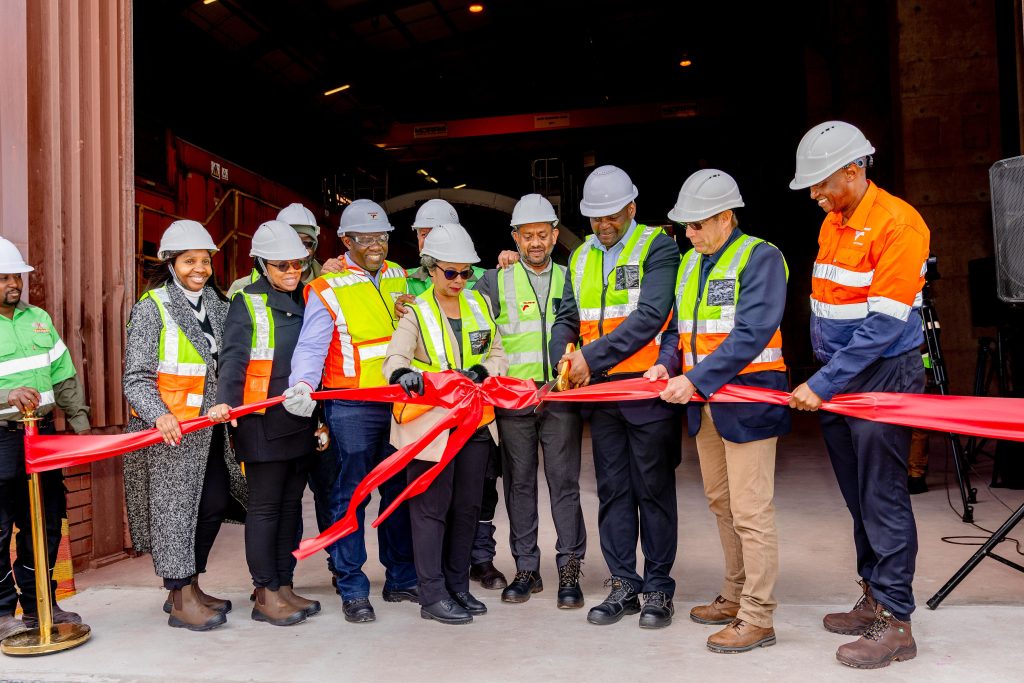
    Transnet Rail Infrastructure Manager (TRIM) has concluded Rail Access Agreements with 11 new Train Operating Companies (TOCs), marking a major milestone in South Africa’s rail reform programme. The move signals the transition from policy to implementation, unlocking new investment, increasing network capacity and strengthening collaboration across the logistics sector.

    TRIM Advances Rail Reform with New TOCs Onboarded

    Transnet Rail Infrastructure Manager (TRIM) has reached a significant milestone in South Africa’s rail reform journey with the successful conclusion of Rail Access Agreements (RAAs) with 11 new Train Operating Companies (TOCs).

    The agreements increase the number of active operators on the national rail network from one to 12 and are expected to unlock an additional 24 million tonnes of freight capacity, with the potential to scale to 52 million tonnes over the next five years. This supports the national objective of increasing rail volumes from approximately 180 million tonnes to 250 million tonnes by 2030.

    The newly onboarded TOCs include ARC South Africa, The Railway Corporation, MSC, TLD Marine, MENAR, Sharp Logistics, Barberry, Grindrod, Minrail, IRACEMA, Motheo Logistics and Interlinks. Together, they will operate across strategic freight sectors including coal, manganese, containers, fuel and general freight.

    From Reform to Implementation

    Addressing stakeholders at the event, Transnet executives led by Group Chief Executive Adv Michelle Phillips emphasised that rail reform has moved beyond policy development into practical implementation.

    TRIM Chief Executive Moshe Motlohi described the milestone as the creation of “a functional and competitive rail marketplace” that enables meaningful private sector participation and investment.

    The implementation of Network Statement Version 3 and the structured slot allocation process has enabled transparent access to rail capacity, while work on Version 4 is at an advanced stage following extensive industry consultation.

    Unlocking Capacity Through Open Access

    A key development in the reform process has been the introduction of TRIM’s Ad Hoc Slot Allocation process, launched in December 2025, the rules-based mechanism enables operators to apply for rail capacity outside the annual allocation cycle, improving flexibility and responsiveness to market demand.

    The process has already unlocked opportunities such as a proposed short-haul service between Cato Ridge and Durban aimed at reducing congestion around the port precinct.

    Some TOCs are expected to commence operations before the end of 2026, with additional operators coming online during 2027.

    LEASECO to Lower Barriers to Entry

    Another major focus of the event was the progress made on the Rolling Stock Leasing Company (LEASECO), which will provide operators with flexible leases for locomotives and wagons, lowering barriers to entry for new TOCs.

    Transnet has already identified and assessed more than 500 locomotives and over 17 000 wagons for the platform, while early market demand indicates strong appetite from operators. At least five TOCs have already signed up to source rolling stock through LEASECO.

    Executives also confirmed that the Request for Proposal (RFP) process for private sector partners is progressing, with the joint venture expected to support regional growth across South Africa and neighbouring markets.

    Engineering and Infrastructure at the Centre

    Transnet Engineering reiterated its role as the industrial backbone of the freight rail system through the refurbishment, maintenance and manufacturing of rolling stock.

    Executives highlighted the importance of local manufacturing capability, engineering expertise and supplier development in supporting rail reform and broader industrialisation objectives.

    TRIM also outlined ongoing investments in signalling systems, condition-monitoring technology and corridor upgrades to improve network reliability and increase capacity across strategic freight routes.

    A Shared Commitment to Growth

    Speakers repeatedly emphasised that rail reform is not only about Transnet or the private sector, but about enabling economic growth, industrial expansion and regional integration.

    The event concluded with a strong message of collaboration and accountability, with Transnet reaffirming its commitment to accelerating reform, enabling private sector participation and building a modern, resilient and competitive rail system for South Africa.


    The Rolling Stock Leasing Company (LEASECO) will provide train operators with access to locomotives and wagons through flexible leasing arrangements, helping lower barriers to entry into the rail sector.

    Rolling Stock Leasing Company (LEASECO) i do netshedza vhatshimbidzi vha zwidimela thendelo ya u shumisa matorokisi na zwigariki nga u shumisa ndugiselelo dza khadzimo dzi tendelanaho na nyimele, u itela u fhungudza zwithivheli zwa u dzhena kha sekithara ya zwidimela.


    Rail Access Agreements are formal agreements that allow Train Operating Companies to access and operate on South Africa’s national rail network.

    Mintwanano yo Nghena ka Switimela i mintwanano ya ximfumo leyi pfumelelaka Tikhamphani to Fambisa Switimela ku nghena ni ku tirha eka netiweke ya swiporo ya tiko ya Afrika Dzonga.


    Train Operating Companies (TOCs) are operators authorised to run freight services on the rail network using TRIM infrastructure.

    Tinkapane Leticondzisa Kusebenta Kwetitimela (TOCs).Tinkapane leticondzisa kusebenta kwetitimela (TOCs), bacondzisi labagunyatwe kutsi banikete lusito lwetekutfutsa imitfwalo ngetitimela basebentisa imigwaco ye-TRIM.


    Rail reform refers to the transformation of South Africa’s rail sector to improve efficiency, expand access, encourage investment and strengthen economic growth through a more competitive rail system.

    Spoorhervorming verwys na die transformasie van Suid-Afrika se spoorsektor om doeltreffendheid te verbeter, beter toegang te gee, belegging aan te moedig en ekonomiese groei te bevorder deur middel van ’n mededingender spoorstelsel.

  • South africa ports record 9% growth in Vessel Traffic

    South africa ports record 9% growth in Vessel Traffic

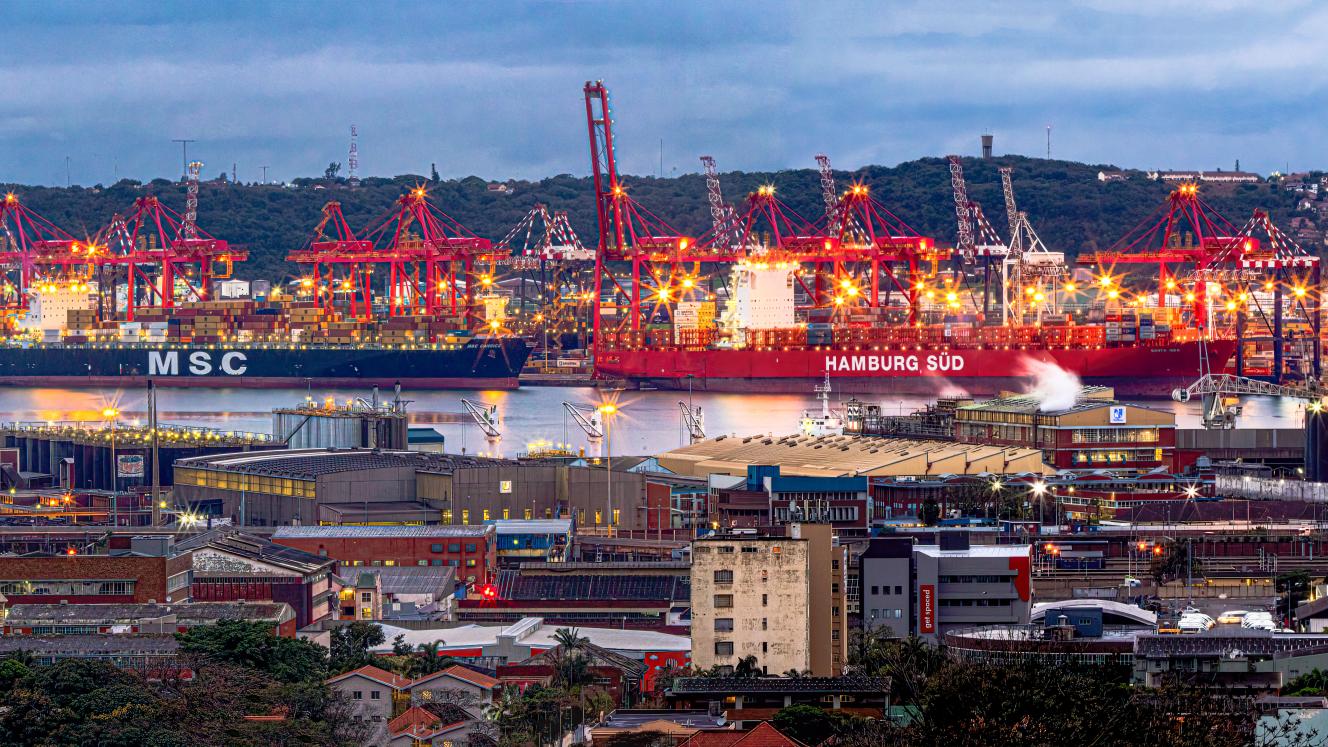
    Transnet has reported continued improvement across South Africa’s port system, with vessel traffic increasing by 9% year on year during the 2025/26 financial year. The growth reflects ongoing operational recovery efforts and strengthening momentum across the organisation’s port operations.

    Transnet National Ports Authority (TNPA) recorded 8,630 vessel arrivals during the year, compared to 7,912 in the previous financial year. The increase marks an important milestone in Transnet’s Reinvent for Growth strategy, which focuses on improving operational efficiency and strengthening South Africa’s position as a competitive global trade gateway.

    The increase in vessel arrivals reflects improved coordination across the port system, supported by closer collaboration between TNPA and terminal operators, as well as ongoing efficiency improvements.

    Cargo throughput across TNPA’s eight commercial seaports increased by 4.2% to approximately 304 million tonnes, representing the strongest growth recorded since the 2011/12 financial year.

    Three of the five main cargo categories recorded strong growth, while breakbulk and liquid bulk volumes showed signs of gradual recovery.

    Automotive volumes recorded the highest growth, up 13.3%, while the Port of Durban exceeded its throughput targets. Container volumes also grew by 7.1%, surpassing annual budget expectations by 3.6%, largely driven by a 22% increase in citrus exports.

    Dry bulk cargo volumes increased by 4.2%, supported by export demand for chrome ore, magnetite and manganese commodities.

    Transnet Group Chief Executive Michelle Phillips said the growth reflected an improving economic landscape, supported by Transnet’s recovery initiatives and improvements in port and rail efficiencies.

    She added that Transnet remains focused on sustaining operational improvements, accelerating port infrastructure investment and implementing structural reforms to support continued trade growth and cargo movement through South Africa’s ports.

    Infrastructure projects across the port system continue to support future demand and improve operational resilience.

    At the Port of Durban, expansion plans are expected to significantly increase container-handling capacity, while upgrades at the Port of Cape Town, including container stack improvements and truck staging facilities, aim to improve efficiency and reduce congestion.