Dimakatso Ramawela’s Journey from Wagon Maintenance to Author
Tlhalošo ye kopana: Go tloga go tlhokomelo ya kariki go ya bongwading, Dimakatso Ramawela o diriša kanegelo go boloka bohwa bja setšhaba sa Bolobedu mola ka nako ye e swanago a hlohleletša baswa go ba le kgotlelelo, thuto le boikgantšho bja setšo.
Q: You work at Transnet Engineering while also writing a book rooted in your heritage. How have your personal experiences and working journey influenced the story you are telling?
My experiences form the foundation of my story. Growing up in rural Bolobedu taught me resilience, faith, hard work and the importance of community.
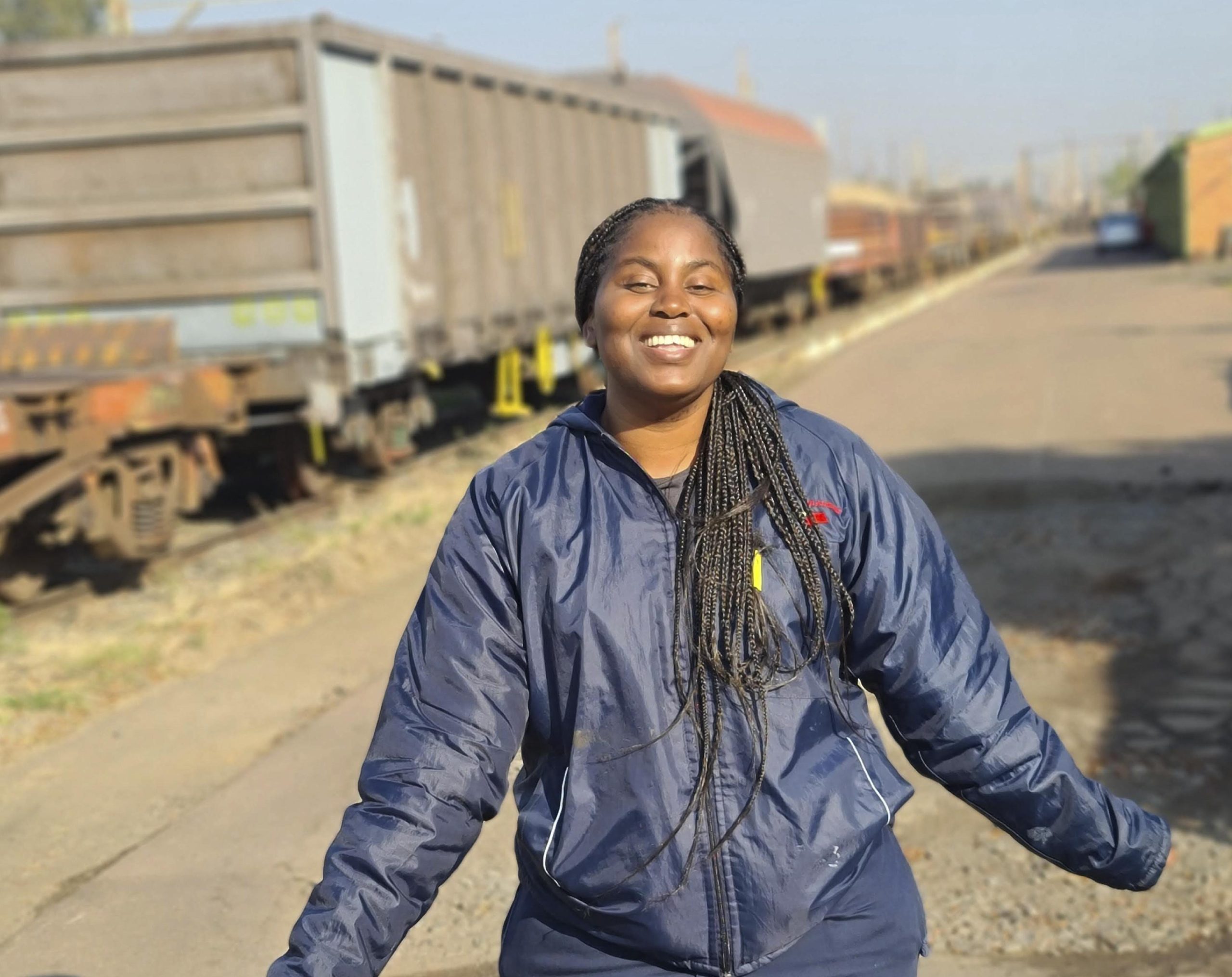
My journey at Transnet, from operator and forklift driver to Maintenance Assistant, has also taught me discipline, teamwork and growth. Working in traditionally male-dominated environments pushed me to trust my abilities and grow in confidence.
Through the book, I want readers to see that ordinary people carry extraordinary stories, and that humble beginnings should never limit a person’s dreams or purpose.
Q: What inspired you to write From Bolobedu to Breakthrough: A Story of Faith, Struggle and Triumph?
I wanted to preserve stories that are often overlooked, especially those from rural communities and African cultures. Many people know the Bolobedu Nation through the legacy of the Rain Queen, but there is much more to our history, traditions and values.
The book reflects both hardship and hope, while honouring the sacrifices and wisdom of my grandmother and many African women whose stories were never written down.
Q: Ke ka baka la eng go be go le bohlokwa go wena go ikgokaganya le Ntlo ya Bogoši ya Bolobedu pele ga phatlalatšo?
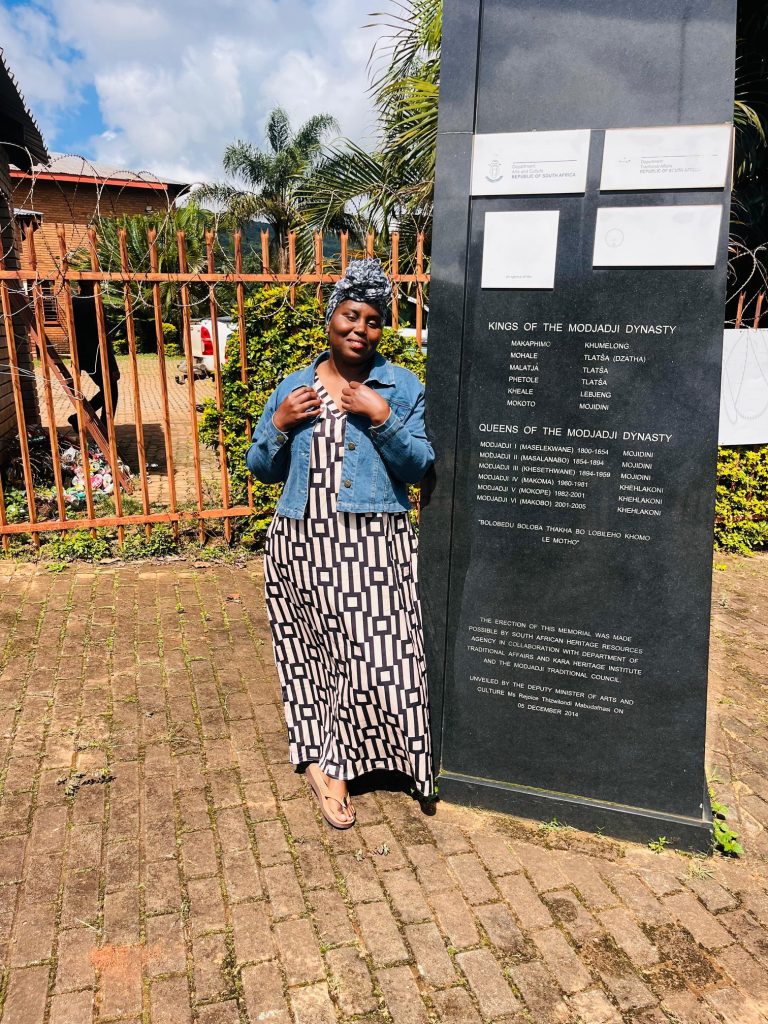
Kanegelo ga se ya ka fela. E bile e laetša boitšhupo le bohwa bja setšhaba sa Bolobedu. Ke dumela gore dikanegelo tša setšo di swanetše go swarwa ka tlhompho le potego.
Go boledišana le Ntlo ya Bogoši ya Bolobedu e be e le pontšho ya tlhompho go boetapele le ditšo tša setšhaba, mola gape go netefatša gore sengwalwa se hlompha bohwa bja rena ka nepagalo le ka nnete.
Q: Why is it important for younger generations to preserve indigenous languages and cultural traditions?
Language and culture carry identity, wisdom and history. When a language disappears, part of a people’s heritage disappears with it.
Storytelling has always been central to African communities, passing down values, lessons and traditions from one generation to another.
Q: Ke ka baka la eng go be go le bohlokwa go wena go ikgokaganya le Ntlo ya Bogoši ya Bolobedu pele ga phatlalatšo?
Kanegelo ga se ya ka fela. E bile e laetša boitšhupo le bohwa bja setšhaba sa Bolobedu. Ke dumela gore dikanegelo tša setšo di swanetše go swarwa ka tlhompho le potego.
Go boledišana le Ntlo ya Bogoši ya Bolobedu e be e le pontšho ya tlhompho go boetapele le ditšo tša setšhaba, mola gape go netefatša gore sengwalwa se hlompha bohwa bja rena ka nepagalo le ka nnete.
Q: What message do you hope readers, especially young women and young professionals, will take from your story?
I want readers to know that their background does not define their future. It is possible to overcome challenges, continue learning and create opportunities despite difficult circumstances.
For young women, I hope the story encourages them to believe in themselves and pursue spaces that may seem intimidating.
Above all, I want readers to leave with hope and the belief that faith and resilience can carry them through life’s toughest seasons.